




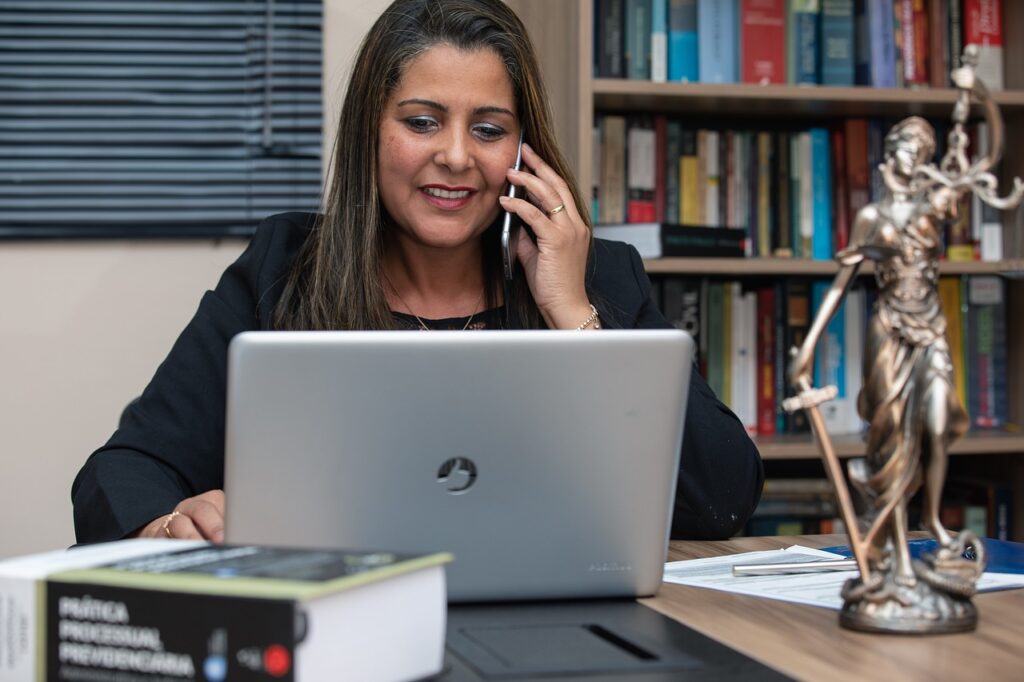
I have spent years working as a bilingual intake coordinator for a small immigration law office near DuPage County, and many of the families I speak with are from Naperville, Aurora, Bolingbrook, Lisle, and nearby suburbs. I am usually the first person they talk to before they sit down with an attorney, so I hear the nervous questions before anyone has polished them into neat legal issues. Most people are not looking for fancy language. They want someone who can explain what is happening, what the next step looks like, and what could go wrong if they wait too long.
Why Local Immigration Help Feels Different
Naperville is close enough to Chicago that people sometimes assume every immigration matter should be handled downtown. I do not see it that way in practice. Many clients have school schedules, shift work, elder care, and one car shared by 3 adults, so a nearby office can change whether they actually follow through. Distance matters.
A client last winter told me she had delayed a consultation for months because she thought she had to take the train into the city and miss a full day of work. Her question involved a family petition, a prior visa overstay, and a stack of notices she did not fully understand. Once she realized she could meet closer to home, she brought the papers in a folder with sticky notes on almost every page. That first appointment did not solve everything, but it gave her a path she could manage.
I also see how local lawyers pick up on small details that do not look legal at first. They may know the rhythm of nearby USCIS field office appointments, the way certain county records are requested, or how long it usually takes a school or employer to produce a document. None of that replaces the law. It just keeps the case moving with fewer surprises.
What I Listen For During the First Call
During an intake call, I pay close attention to dates, prior filings, arrests, travel, and family relationships. A person might start by saying they need help with a green card, then mention 8 minutes later that they left the United States once after a removal order. That kind of detail can change the whole conversation. A careful lawyer will slow down there.
A neighbor once asked me why people search for Naperville immigration lawyers instead of picking the first large firm they see online. I told him that many families want a lawyer who is close enough for follow-up visits, document drop-offs, and hard conversations that should not happen through rushed messages. The right fit is often about access as much as skill, especially for clients who are dealing with deadlines, translation issues, and family pressure at the same time.
I usually ask callers to gather 5 basic groups of documents before a consult: passports, visas, immigration notices, court records, and proof of family or work history. That list sounds simple, yet it often reveals gaps that matter. A missing I-94, an old address, or a court disposition from another state can take weeks to track down. Good preparation saves anxiety later.
The Difference Between Reassurance and Real Advice
People often call because a friend told them their case is easy. I understand why that happens. Immigration stories travel through churches, break rooms, WhatsApp groups, and family parties, and one successful case can make another person feel safe. The problem is that two cases can sound alike over dinner and still be legally different in 4 major ways.
I remember a customer from a local restaurant who believed his marriage case would be simple because his cousin had received a green card through marriage the year before. During intake, he mentioned a border encounter from many years earlier and an old document he had signed without really reading. The attorney did not panic him, but she did explain that the old event had to be reviewed before anyone promised a result. That was the honest answer.
Reassurance has its place. Clients need to breathe. Still, I get wary when anyone guarantees an outcome before reviewing records, because immigration agencies and courts care about the exact facts on paper. A lawyer can explain options, risks, and likely timelines, but no serious lawyer should pretend the case is already won after a 10-minute chat.
Fees, Timelines, and the Paperwork Nobody Likes
Money is one of the hardest parts of these conversations. I have seen families hesitate over several thousand dollars in legal fees, filing fees, translations, medical exams, and travel costs for appointments. I do not judge that hesitation. Most people are trying to protect their future while still paying rent, car insurance, and groceries.
Clear fee agreements help. I like when a lawyer explains what is included, what is separate, and what happens if the case changes after new facts appear. A flat fee may feel comforting, but clients still need to know whether it covers requests for evidence, interview preparation, appeals, or court appearances. Small print can become a big argument later.
Timelines are just as sensitive. Some immigration steps move in months, while others can stretch for years, and delays are not always caused by the lawyer. I tell clients to keep copies of every receipt notice, every delivery confirmation, and every letter from the government. One misplaced notice can cause a lot of trouble.
How I Spot a Better Attorney-Client Fit
The best fit is not always the loudest person in the room. I pay attention to whether the lawyer asks follow-up questions and admits when more research is needed. I also notice whether the client feels comfortable saying, “I do not understand.” That sentence matters more than people think.
A good immigration lawyer in Naperville should be able to explain the process without making the client feel small. That does not mean every answer will be pleasant. Sometimes the best lawyer is the one who says the case needs more records before filing, even if the client wants to move fast. Filing too early can create a mess that costs more to fix.
Language access matters too. Even fluent English speakers may want a spouse, parent, or adult child to understand the process in another language. I have watched consultations improve when everyone at the table understood the same deadline and the same risk. Confusion is expensive.
What I Tell People Before They Book
Before someone books a consultation, I suggest writing down the full immigration history in rough order. It does not need to look pretty. Start with first entry, last entry, visas, applications, denials, arrests, marriages, divorces, children, and any letters from immigration agencies. Ten messy lines on paper are better than trying to remember everything under pressure.
I also tell people not to hide bad facts. Lawyers hear difficult stories all the time, and surprise is usually worse than the fact itself. If there was a missed hearing, a false statement, a criminal charge, or a prior denial, bring it up early. Silence does not protect the case.
The last thing I suggest is taking the consultation seriously even if it is just the first meeting. Bring records, ask about strategy, and ask what the next 2 or 3 steps might look like. You are not buying comfort alone. You are trying to understand whether this person can guide a case that may affect your home, work, and family for years.
After all the calls I have taken and all the folders I have watched clients carry into our office, I think the best immigration help starts with careful listening. Naperville families do not need a speech filled with legal words just to feel impressed. They need someone who can read the documents, ask the uncomfortable questions, and explain the road ahead in plain English. That is the standard I would want for my own family.