


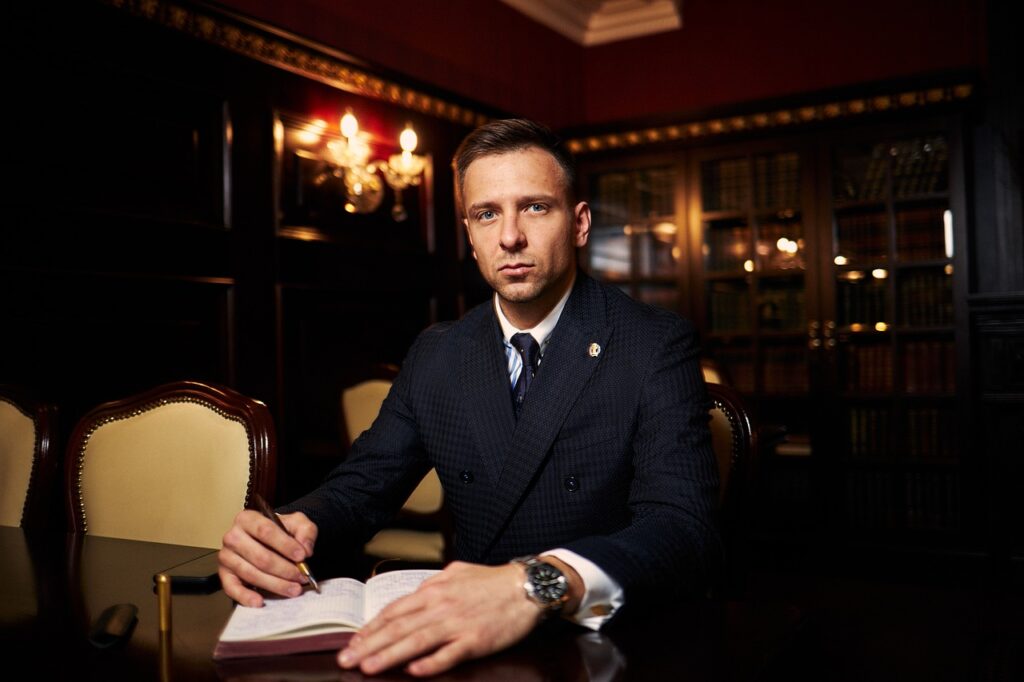


I work as an admitted notary and property lawyer in Johannesburg, and most of my week is spent dealing with papers that matter far beyond a single signature. People usually arrive with urgency in their voice and a folder that has already changed hands three or four times. By then, the issue is rarely the stamp itself. The real work is making sure the document will still hold up once it reaches a bank, a foreign registry, or a court file.
Why the small checks matter more than the stamp
A lot of people assume notarisation is a quick visual check followed by a seal. In practice, I spend more time on identity, capacity, and the wording of the document than I do on the actual embossing. A missing initial on page 2 can cause a rejection that adds 7 to 10 days to a transaction, which feels minor until someone is waiting on school admission, probate paperwork, or a transfer deadline.
I learned early on that the most expensive mistakes are usually dull ones. A customer last spring brought in a power of attorney that had been signed already, but the signature block did not match the passport name and the witness line was drafted for another country. We had to start over from the source document, and that saved a much bigger problem later. That kind of reset is frustrating in the moment, though it is still better than having the document refused overseas after courier fees and deadlines have already stacked up.
I always ask what country the document is going to and who asked for it. That question sounds basic, yet it changes everything from the form of certification to whether an apostille, sworn translation, or additional authentication may be expected afterwards. One embassy may accept a clean notarial copy and another may insist on original signatures, page numbering, and wording that ties each annexure back to the main document.
Details decide the outcome. I have seen a document sail through because the client brought the correct original passport, and I have seen another delayed because someone only had a phone photo of the ID page. In my office, I would rather spend an extra 15 minutes checking names, dates, and annexures than send a client out with false confidence. Confidence is cheap. Accepted paperwork is not.
How I help clients choose the right route for urgent paperwork
Johannesburg moves fast, but document problems move faster. People often come to me after a bank, university, foreign lawyer, or shipping agent has used broad language like certified, notarised, authenticated, or legalised as if those words mean the same thing. They do not, and sorting that out at the start can save a client two visits, one rejected bundle, and a fair amount of courier expense.
When someone is still figuring out where to start, I sometimes suggest they compare turnaround times and service options with Notary Public Johannesburg before they commit to a process that may be too narrow or too slow for their deadline. That kind of comparison helps because the right answer depends on the destination country, the document type, and whether original signatures can still be collected. I have had clients assume they needed full notarisation for a pack of corporate resolutions when a more tailored certification route was the actual requirement.
Urgency tends to hide weak paperwork. A business owner once came in with 38 pages of board documents needed for a foreign account opening, and the real issue was not speed but consistency across names, dates, and resolution clauses. We fixed the pack in stages, checked each annexure against the main resolution, and only then moved to certification. That took longer on the first day, though it likely saved weeks on the receiving side.
I also tell clients that same day service is only useful if the groundwork is right. If a signature page is missing, if the deponent has not brought the original ID, or if a document refers to annexures that are not attached, no honest notary should pretend the job is complete. I would rather be the person who slows a matter for one afternoon than the reason it collapses three countries away.
Where Johannesburg clients get caught out with foreign use documents
Foreign use documents are where I see the biggest gap between what clients expect and what the receiving office expects. Many people assume one clean notarial act will satisfy every authority abroad, but requirements shift depending on whether the document is headed to the UK, the UAE, Australia, or a civil law country that prefers very exact formalities. I have handled weeks where nearly every file involved a different standard, even though all of them arrived described as urgent.
One common trap is the certified copy that is meant to function like an original. Some institutions accept a notarial copy of a passport or degree, while others want the underlying document plus a sworn statement explaining its use, and they may still ask for further authentication after that. I have seen clients lose 12 days because the copy was perfect, but the instruction from the receiving side was incomplete.
Translations are another pain point. If a document is headed to a non English speaking jurisdiction, I check early whether a sworn translation is required and whether the translator’s certification must be linked to my notarial act or handled in a separate chain. It sounds technical because it is technical, and this is one area where guesswork creates expensive loops. A client can pay several thousand rand in couriers, only to learn the issue was never the seal but the unsupported translation.
Corporate paperwork brings its own problems. Companies House extracts, share certificates, founding statements, and board resolutions often look orderly, but one outdated registration number or an unsigned minute can undermine the whole set. I usually read those packs with a pencil in hand, and by page 5 or 6 I can tell whether the document set was built carefully or assembled in a rush by three different people.
What a prepared client brings to my office
The smoothest appointments are not the ones with the simplest documents. They are the ones where the client arrives with the right originals, a clear instruction from the receiving party, and enough patience to answer plain questions. If someone brings the original passport, the unsigned document, the supporting annexures, and the email from the foreign authority, I can usually assess the route in under 20 minutes.
I prefer unsigned documents where a signature must be witnessed, unless the form specifically allows a prior signature and the receiving party has confirmed that point. This is where many people get annoyed, because they signed the papers at home to save time and now I am telling them that page must be redone. Still, that discomfort is brief. Rejections last longer.
I also ask clients to stop treating email attachments as if they are final simply because they arrived from a large institution. A form can carry the right logo and still contain an outdated clause, the wrong passport field, or an execution block drafted for a jurisdiction that uses a different notarial formula. In my experience, one careful read of the final version is worth more than three messages saying please expedite.
There is a practical side to all this. Bring a pen, bring your original ID, bring every annexure referenced in the text, and bring the exact name of the institution that will receive the document. Those four things solve a surprising share of the chaos I see each month, and they make it much easier for me to give a firm answer instead of a cautious maybe.
I have never believed that notarisation is about ceremony. For me, it is a discipline of slowing down at the right moment, especially in a city where everyone is already late for something. If you walk into a Johannesburg notary’s office with clear instructions and complete papers, the process usually becomes far less dramatic than people expect. Most of the stress disappears once the document is finally fit for the journey ahead.